
The origins of Dunkirk 

Carnival

“Ah c’qu’elle est courue, la pêche à la morue !”

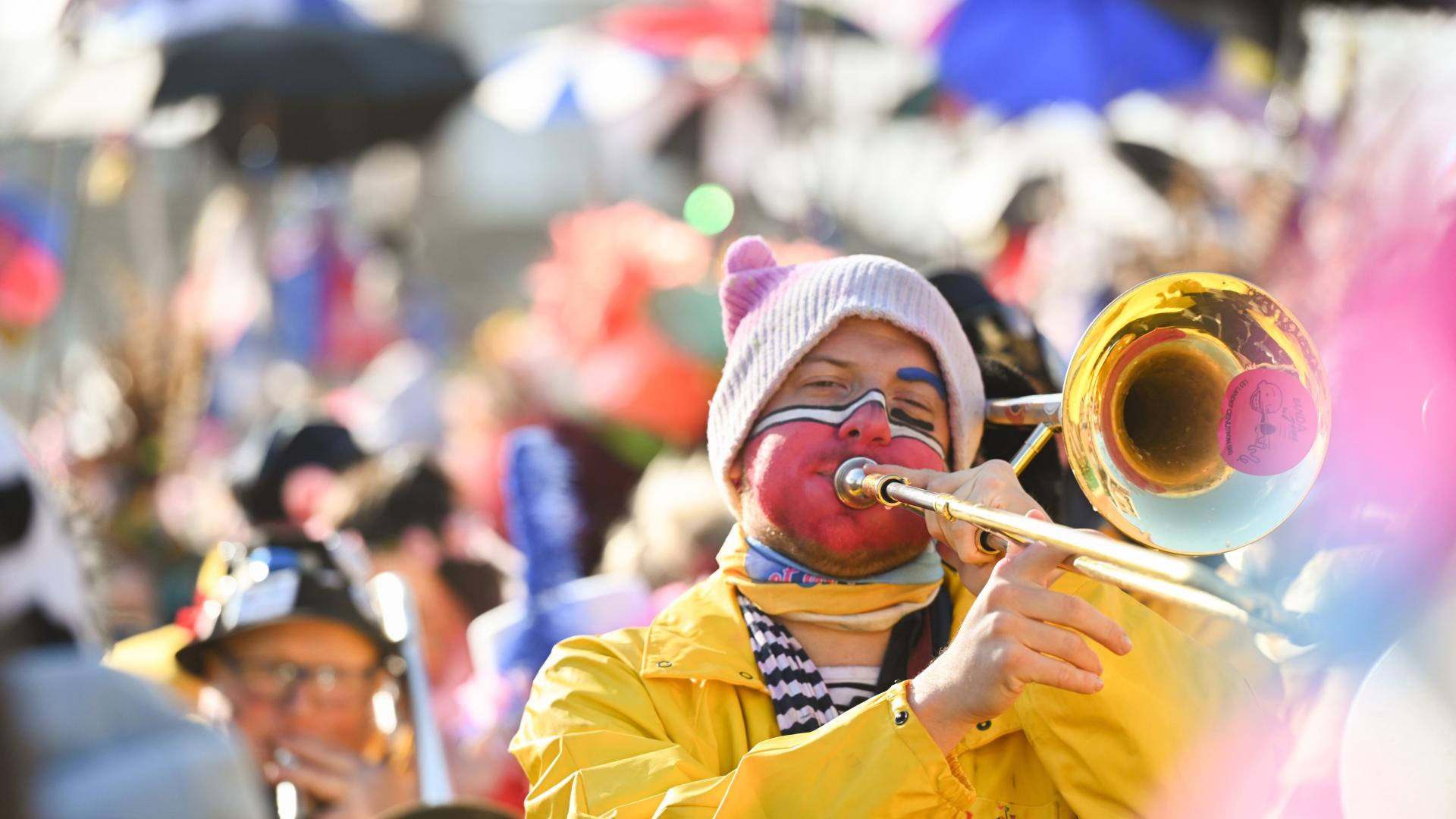
Carnaval Dunkerque Musicien Cud Pierre Volot
©

Carnaval Dunkerque Musicien Cud Pierre Volot

|

CUD- Pierre Volot

The Origins of the Dunkirk Carnival

A Little History

It takes a fair amount of optimism to explain the origins of the carnival frenzy that sweeps across the Dunkirk coastline every year!

A few intrepid historians have tried to unravel the mystery, and they generally agree that it all began in the early 17th century, with celebrations organised by shipowners before Dunkirk’s sailors set off to fish for cod off the coast of Iceland.

Instagram #carnavaldedunkerque

These fishing expeditions lasted several months, and no one could be certain of returning safely… So, before setting off, sailors would spend part of their advance wages on a good time.

These celebrations, known as “FOYE”, took place in local taverns. Sometimes, they may have coincided with the festive days leading up to Lent. The traditions of Carnival and the fishermen’s celebrations probably became intertwined, eventually giving rise to the “Visscherbende” (the fishermen’s parade).

And so, the Dunkirk Carnival was born!

Herring Toss at the Fishermen’s Parade

Since the Dunkirk Carnival is linked to cod fishing off Iceland, you might think that kippers have been thrown to carnival-goers since time immemorial. Well, not quite! This tradition dates back to 1962, when it was the idea of Jean Verlynde, Vice-President of the Tourist Office and local traders’ association.

In Dunkirk, the parade comes to a halt in front of the Town Hall. The musicians strike up a wild chahut (a lively, pushing dance), then the mayor and his guests throw wrapped fish into the crowd, triggering some truly epic jostling. But the effort is worth it: catching a kipper is the ultimate prize, a source of indescribable pride—almost greater than the pleasure of eating it.

The herring tossat the Dunkirk parade is the most spectacular, attracting tens of thousands of people. In some neighbourhoods and towns, the tradition takes on a local twist: dried fish is thrown in Rosendaël and Saint-Pol-sur-Mer, cheese in Bergues… In Malo-les-Bains, another tradition sees violets handed out to the crowd.